Great Dane Lifespan 2026: How Long Do Great... | Mr. DOGFACE
Pet Health
Great Dane Age Span: Maximizing the Years with Your Gentle Giant
A Great Dane’s life is short but impactful. Discover the factors that influence the Great Dane age span and how to provide the best care for their "Golden Years."
5 mins read
Written By MR. DOGFACE
Featured Answer
How long do Great Danes live? The average Great Dane age span is 7 to 10 years. While rare individuals may reach 12 years of age, most giant breeds suffer from accelerated biological aging. To maximize a Great Dane's lifespan, owners should focus on weight management, preventative gastropexy surgery
1. Life Stages of a Great Dane
Puppyhood (0–18 Months): Unlike small dogs who mature in a year, Great Danes continue to grow structurally until nearly age two. During this time, controlled growth is vital to prevent joint damage.
Adulthood (18 Months–6 Years): This is the "sweet spot" of health. In 2026, preventative gastropexy (surgery to prevent stomach twisting) is highly recommended during this phase.
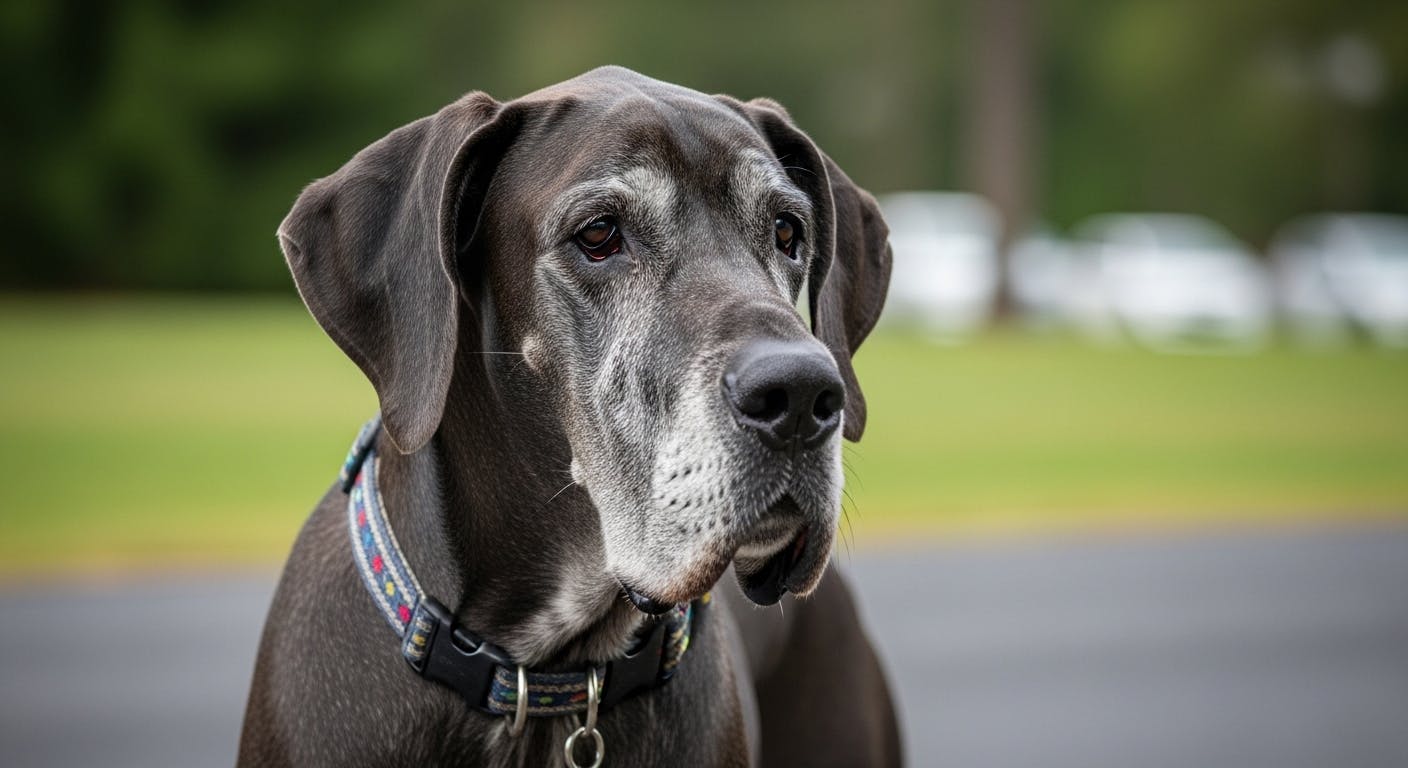
Senior Years (6+ Years): Because of the short Great Dane age span, they are considered seniors by age six. You will notice greying around the muzzle and a slower pace during walks.
2. Why the Great Dane Age Span is Short
Accelerated Aging: Large breed dogs age "faster" on a cellular level. A 2026 study suggests that the rapid growth required to reach 150+ lbs leads to higher oxidative stress and cell damage.
The Heart Strain: Pumping blood through such a massive frame puts immense pressure on the cardiovascular system, making them prone to Dilated Cardiomyopathy (DCM).
Biological Trade-offs: Evolutionarily, giant species often trade longevity for size and early reproductive capability.
3. Critical Health Factors Impacting Longevity
Bloat (GDV): The #1 killer of Great Danes. It occurs when the stomach twists, cutting off blood flow. Immediate surgery is the only cure.
Cancer (Osteosarcoma): Bone cancer is unfortunately common in giant breeds, often appearing after age six.
Joint Deterioration: Hip and elbow dysplasia can severely impact quality of life, often leading to early euthanasia if mobility is lost.
4. 2026 Tips to Extend Your Great Dane's Life
Key Takeaways
Lifespan Expectancy: The average Great Dane lives between 7 and 10 years,
Biological Aging: Large breeds age faster on a cellular level due to the immense metabolic energy required for rapid growth and maintaining a massive frame.
Primary Health Risks: Bloat (GDV) is the leading cause of death, followed by heart failure (DCM) and bone cancer (Osteosarcoma).
Prevention is Longevity: Early interventions, such as preventative gastropexy and maintaining a lean body weight, are the most effective ways to push past the average age span.
Senior Status: A Great Dane enters their "senior" years as early as age 6.
To help prevent bloat, feed 2–3 smaller meals a day instead of one large one, and avoid vigorous exercise an hour before and after eating.
Weight Management: Every extra pound is a month off their life. Keep your Dane lean enough that you can easily feel (but not see) their ribs.
Joint Support: Start high-quality glucosamine and chondroitin supplements by age two to protect their cartilage before the "senior" years hit.
Regular Echo-Scans: Since heart issues are often silent, an annual echocardiogram starting at age four can catch DCM early enough to manage with medication.